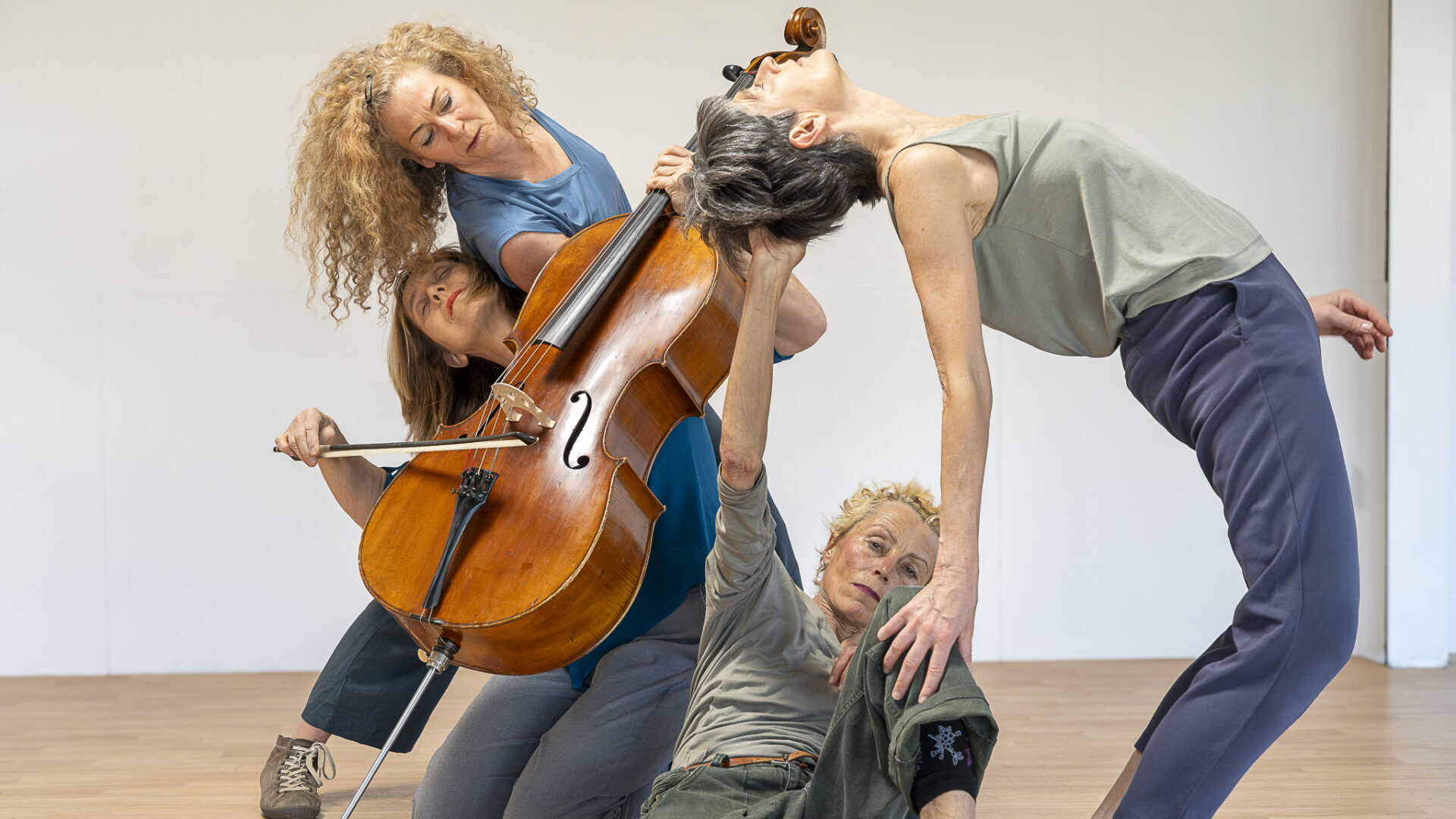
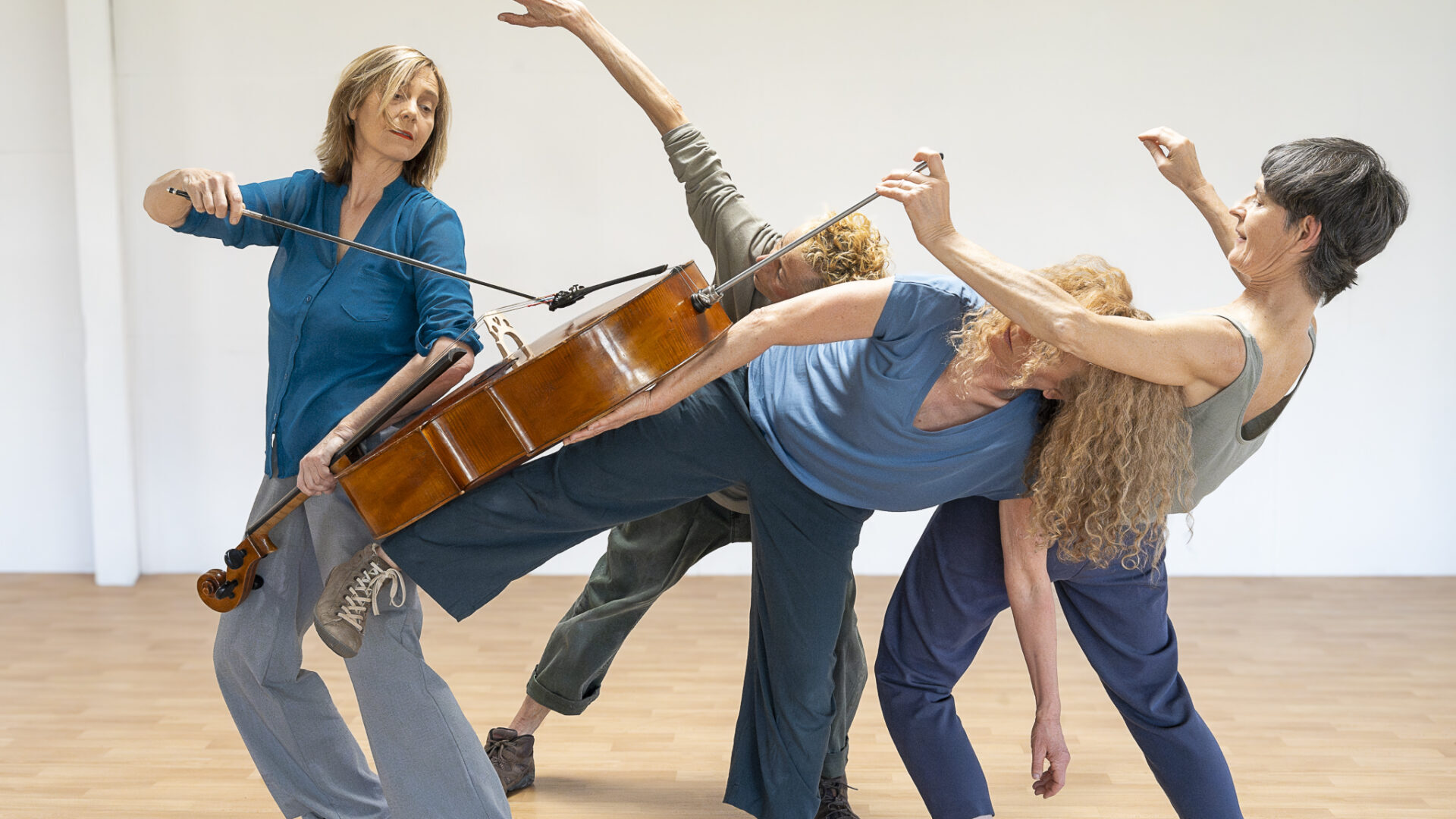
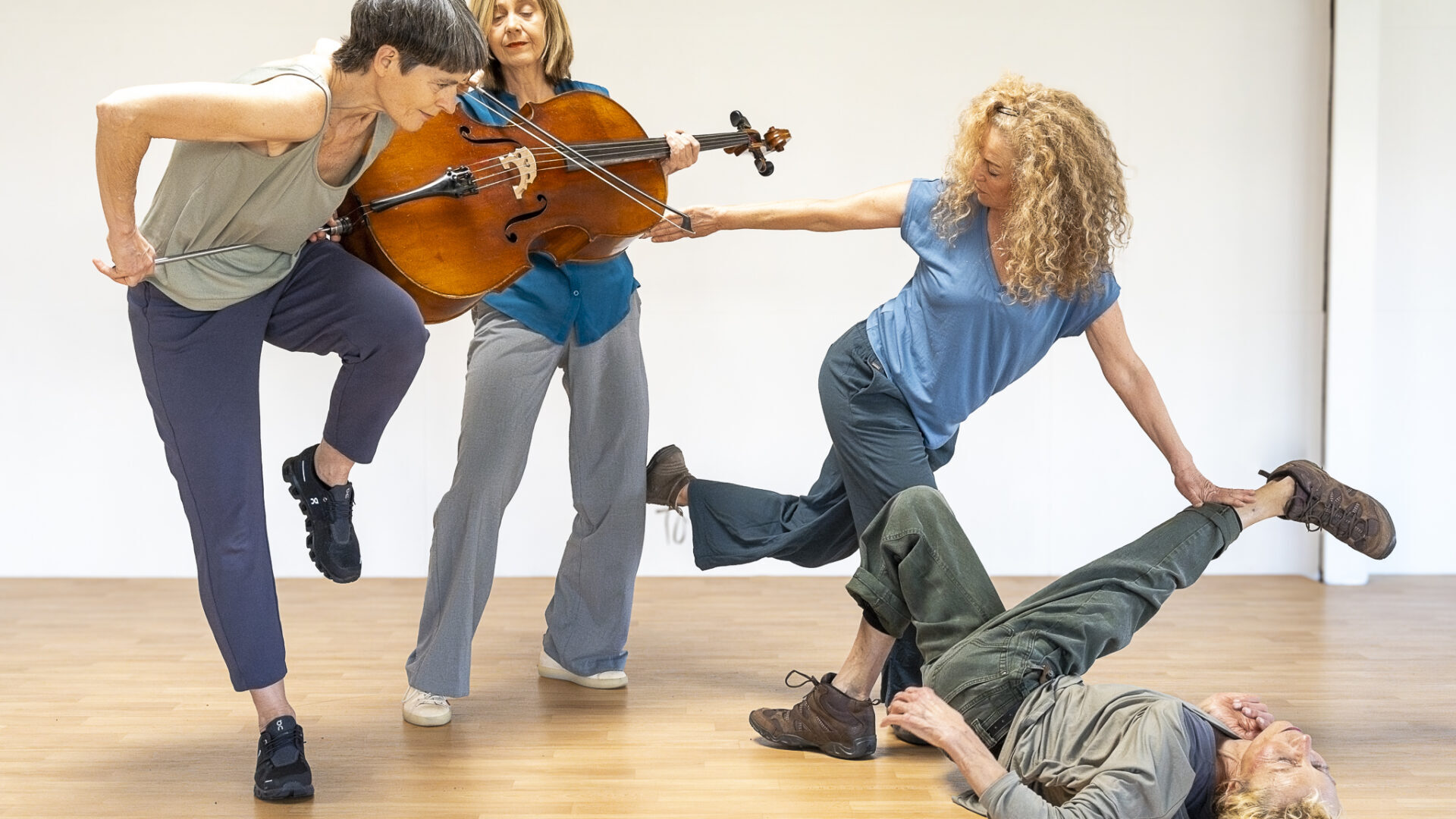
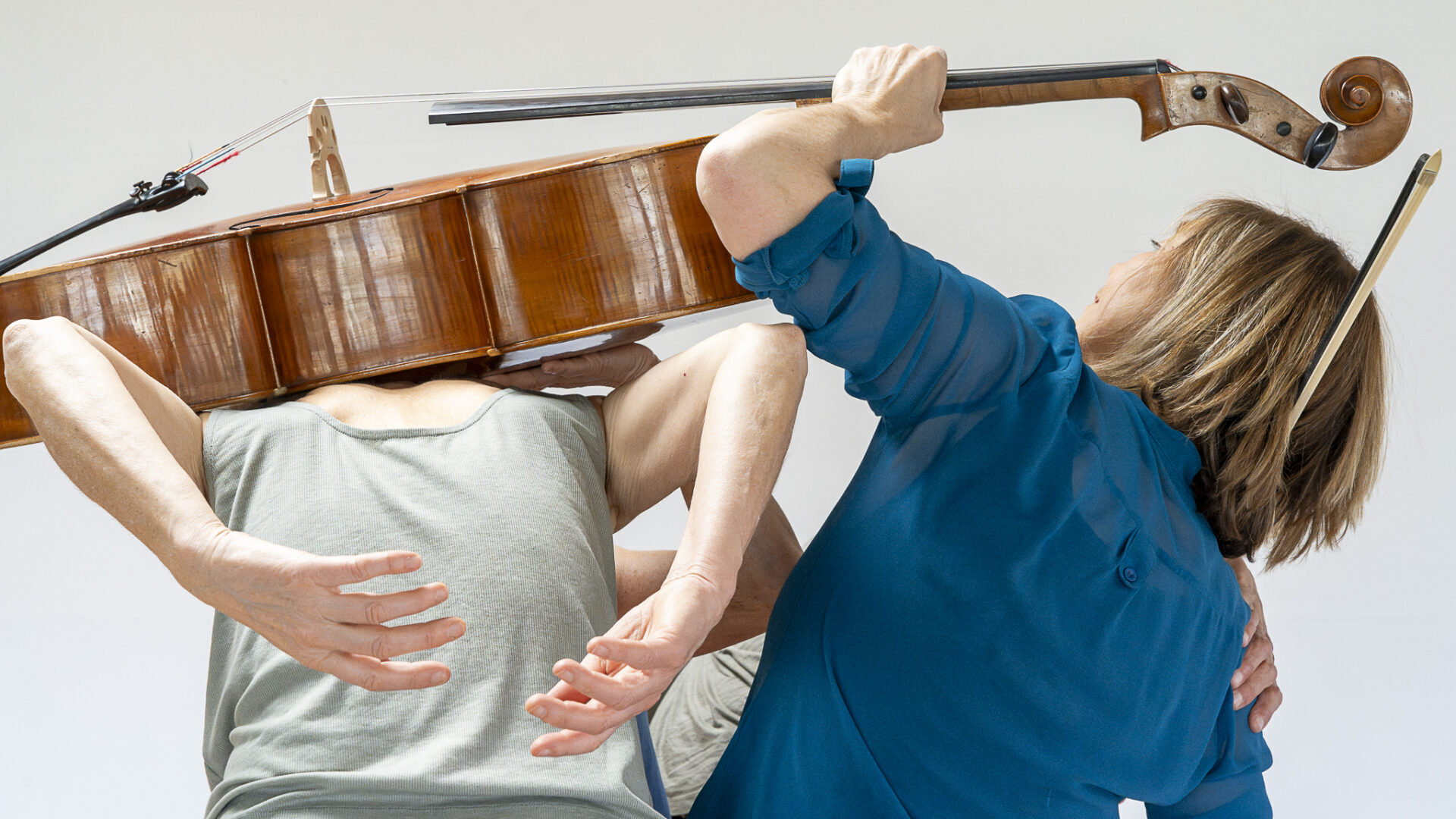
An encounter between audience and performers at unusual levels of closeness and distance. An invitation both to interact and to maintain personal boundaries.
Duration: approx. 20 minutes.
Contribution to the exhibition project “Opening Circles”, October 7 / October 11, 2025, (District Hall) Bergisch Gladbach
Other participating artists: Claudia Bezin, Jutta Dunkel, David Grasekamp, Helga Mols, Veronika Moos, Margret Schopka, Ulrike Oeter, Michael Wittassek
This creation was made possible through the invitation of the Rheinisch-Bergischer Kreis. My thanks go to the Department of Culture for their trust and support.
The occasion was the 50th anniversary of the municipal restructuring of North Rhine-Westphalia.
To protect audience privacy, the performances were neither photographed nor filmed.
The shifting of invisible administrative boundaries in 1975 still affects how people within the Rheinisch-Bergischer Kreis communicate with one another today.
This inspired Britta Lieberknecht to reorganize the familiar spatial setup of a performance.
Her project explores how a spatial shift of boundaries between performers and audience influences perception and communication.
In the large council chamber of the district hall, the audience sits in two rows of chairs, each 24 meters long, facing each other. In the roughly 80 cm wide corridor between them, the performers act. The viewers are close enough to the performers to touch them, yet can also see them from as far as 24 meters away at the end of the corridor. The four performers engage with individuals in the audience or with each other, improvising musically and through movement. The audience experiences contact that is both personal and observational.
How does everyone involved deal with this unusual closeness? What strategies and internal attitudes are chosen? Is the closeness perceived as desired or imposed? Is it participatory observation or voyeurism? How are the different energies and impressions perceived and conveyed?
Do we maintain distance, or do we shift our inner boundary so that something new emerges between performers and audience—and among the audience members themselves? How do we perceive what happens from a distance versus up close? What arises between people sitting next to or across from one another? What is allowed, wanted, or forbidden?
We, both audience and performers, must confront our personal boundaries regarding proximity and distance.
You could say that by compressing the space, many things get stirred up. Feelings and thoughts are thrown into motion—within the safe frame of a respectful situation.